Coffee Beans
Aseans Cameroon Ltd exports some of the finest coffee beans in Africa. Our Arabica coffee, grown in the highlands of the Northwest Province, benefits from cool mountain air and fertile volcanic soil. This unique environment produces beans with a rich flavor profile, delicate aroma, and natural sweetness. Like our cocoa, the beans are sun-dried to lock in their authentic taste and carefully packed in special humidity-controlled bags to safeguard freshness during transport. Every sip reflects the highland heritage and craftsmanship of Cameroon.
Processing
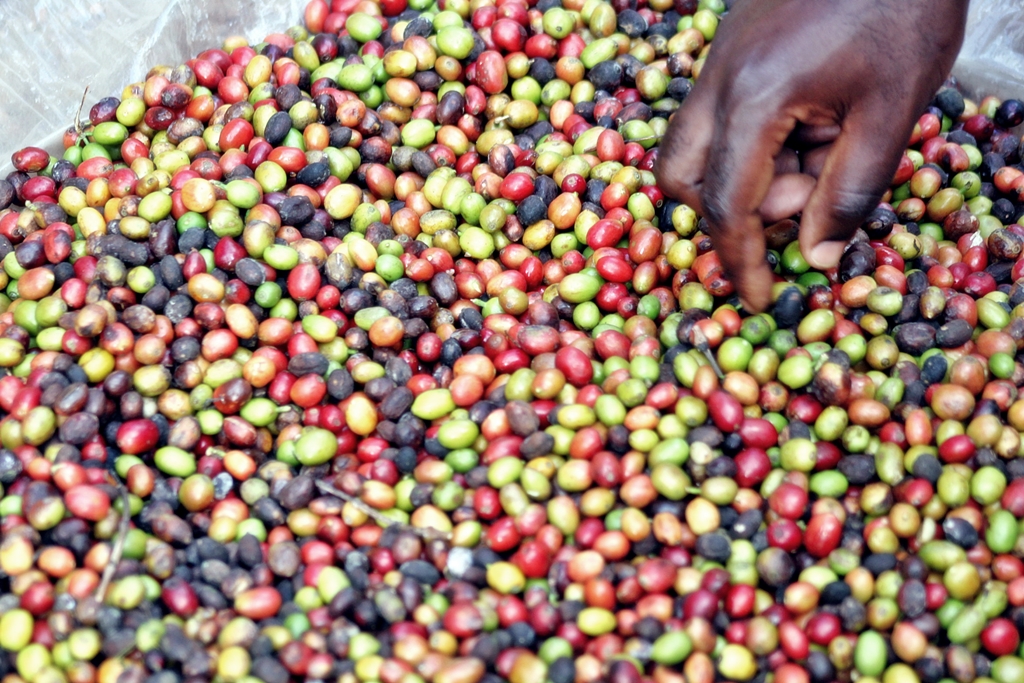
Harvested coffee cherries are processed as soon as possible to keep from getting spoiled, this can be done in two ways, known as the dry and the wet methods;
The Dry Method
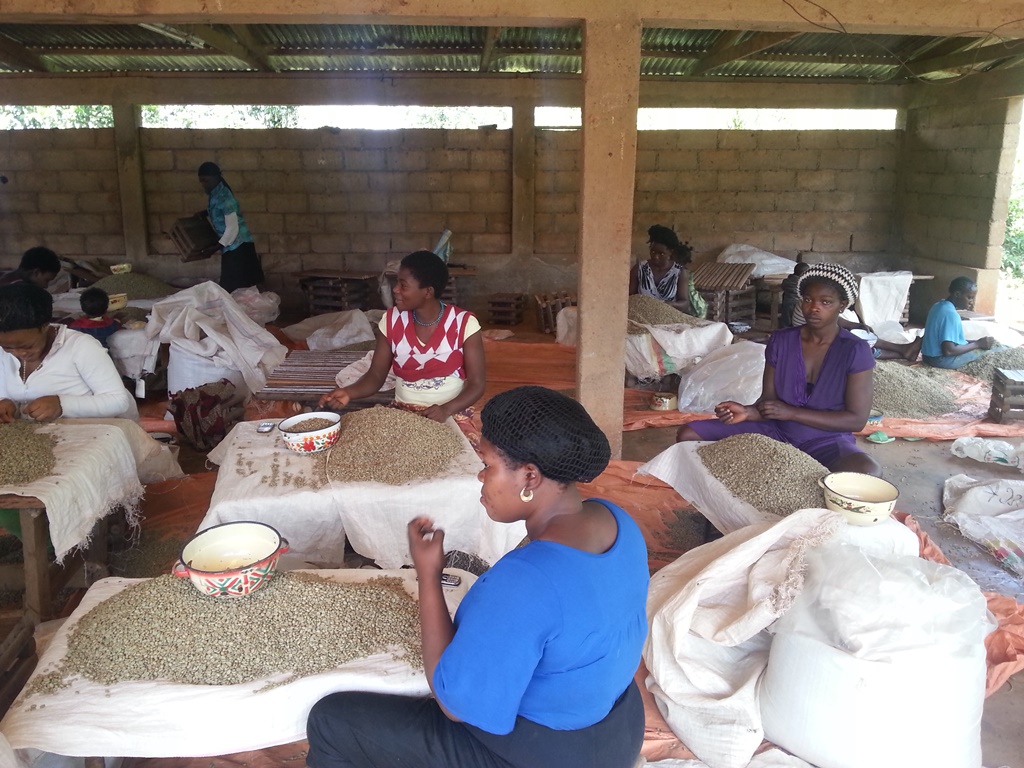
This is the ancient method of processing cherries and is still popular in regions where water is scarce. This method is also known as ‘unwashed’ or ‘natural’ processing. Most people who own small-scale farms use the dry method. The fresh cherries are spread out on a large surface and left to dry in the sun for 15 to 20 days. They are usually put on drying beds slightly raised from the ground, to ensure air circulation around the berries. They are regularly turned and raked throughout the day to avoid fermentation and to ensure they dry evenly. The berries are then covered at night to keep them from absorbing moisture. Depending mainly on the weather conditions, the drying process may take several weeks for each individual picking run, until picked cherries have a moisture content of less than 11%. At this stage, the outer layer will have dried up and turned black and brittle. The drying makes it relatively easy to remove the outer skin.
Polishing:
Coffee polishing is an optional step that is skipped by some millers. It involves getting rid of any sliver skin that may have found its way through hulling. Polished beans are considered to be of a higher quality than unpolished ones.
However, in terms of content, there is little difference.
Coffee tasting process
The packed coffee is repeatedly tasted to additionally check and define its taste and quality. The process is called capping and it takes place in a special room designed to enhance it. Tasting helps people to tell where the coffee is from. The process shouldn’t intimidate you; anyone can take part in it. It involves gurgling coffee to the back of your mouth and identifying which flavour it is. The process is quite similar to a wine tasting event. Some of the terms tasters use are:
Acidity: Acidity describes the level of acidity of coffee. High acidity coffee is thought to be of a higher quality. Low acidity coffee is usually called soar
The body and aftertaste are other terms used to describe the coffee. The ‘body’ refers to how the coffee feels in the mouth – for instance, it may feel heavy or extremely light. This quality is, to some extent, constant and does not depend on individual tastes.