Opening Times

Monday - Friday: 09:00 - 18:00

Our Location

100 S Main St, Los Angeles, CA

Customer Support

+208 333 9296

Robusta coffee, scientifically known as Coffea canephora, possesses several distinct characteristics that set it apart from its more famous counterpart, Arabica coffee. Some of the most notable attributes of Robusta coffee include:

  1. Flavor and aroma: Robusta coffee is known for its strong, bold, and bitter taste, often described as earthy, woody, or even rubbery. Its unique aroma is characterized by a mix of earthy and nutty notes, contributing to its robust profile.
  2. Caffeine content: One of the defining features of Robusta coffee is its high caffeine content, nearly double that of Arabica coffee. The increased caffeine levels contribute to its more robust flavor and provide natural pest resistance, making it easier for farmers to cultivate.
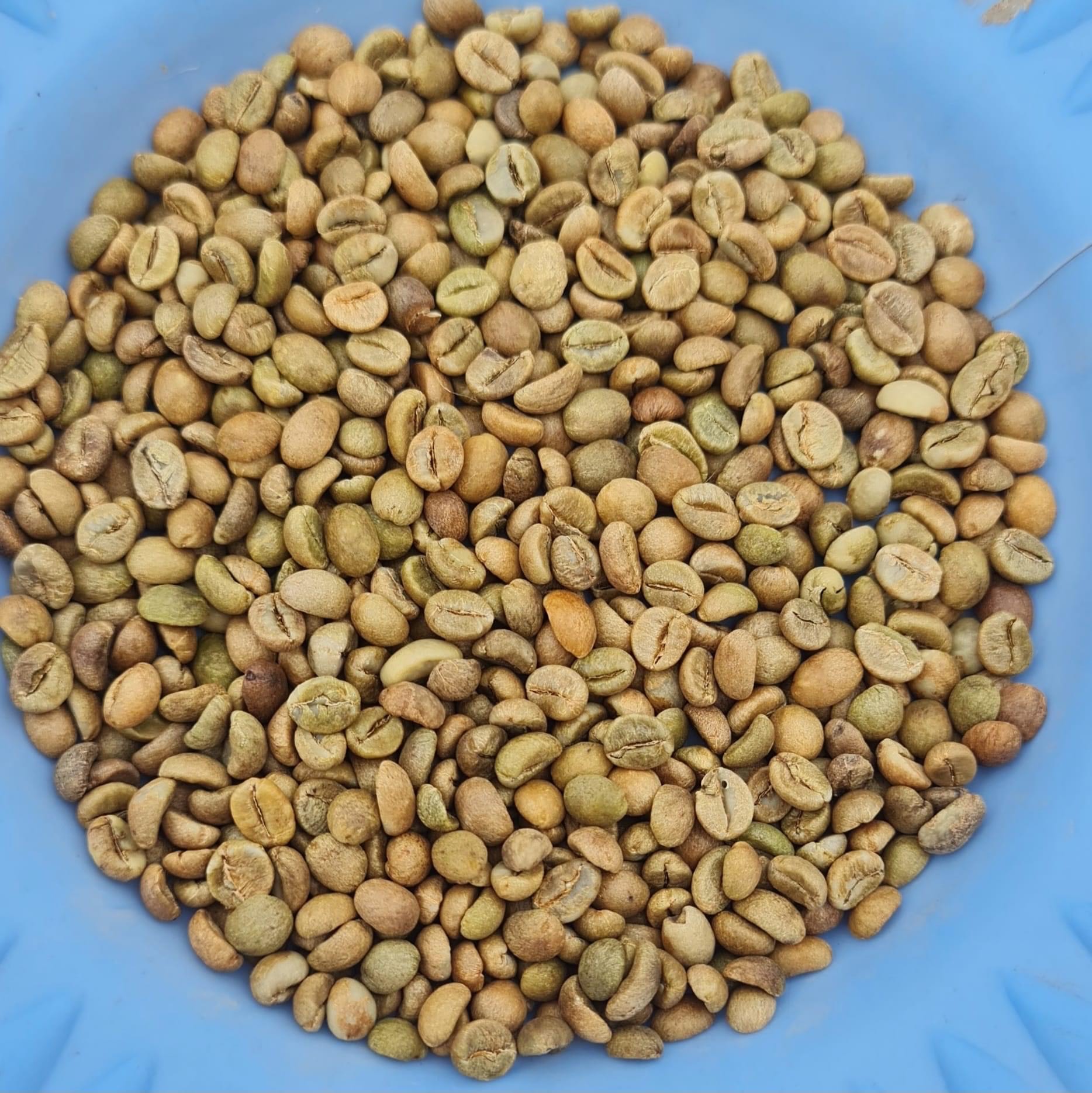
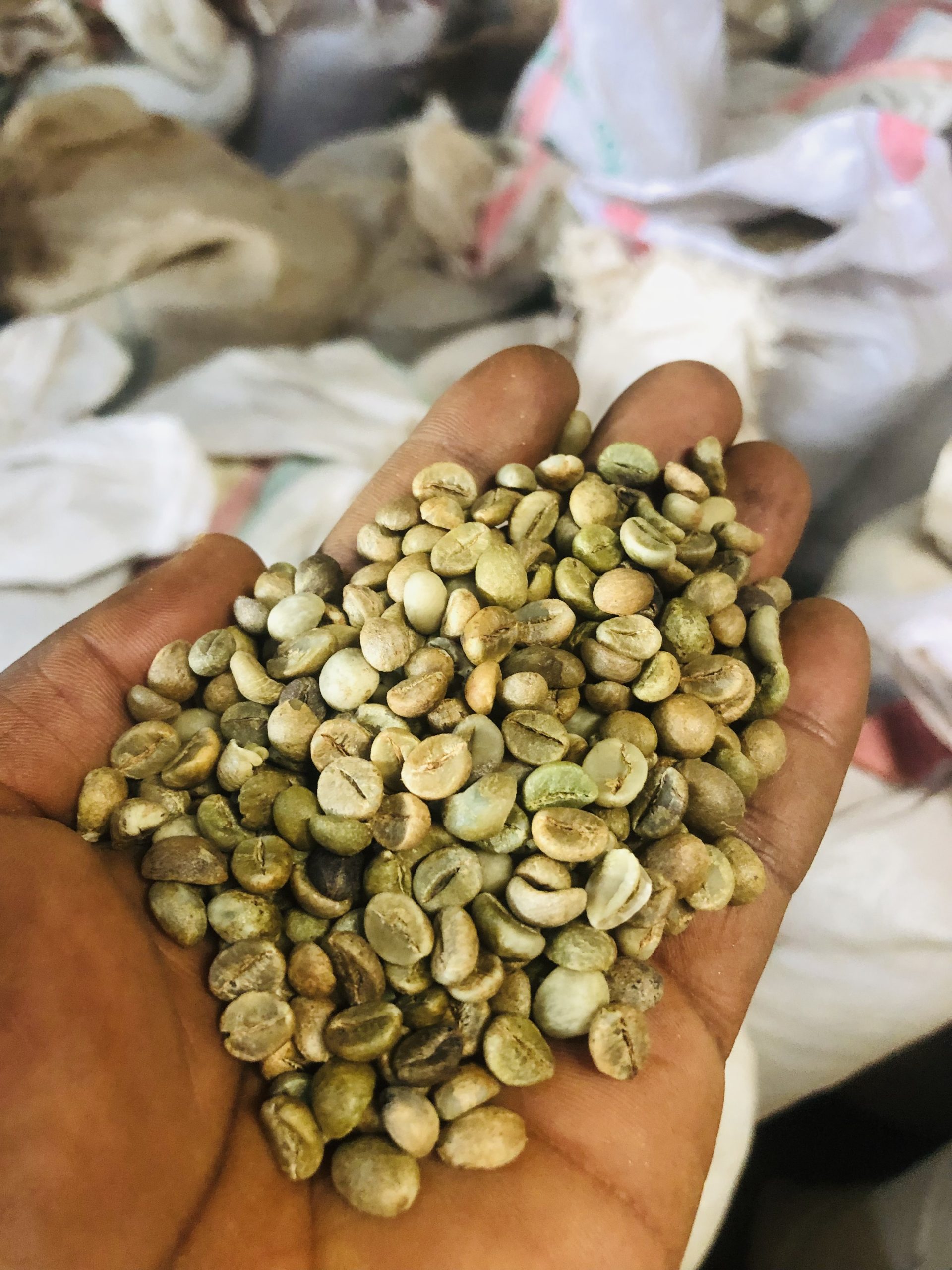
  3. Bean size and shape: Robusta coffee beans are generally smaller and rounder than Arabica beans, with a straight crease down the middle. The more compact shape results from the differences in the plant species and the growing conditions required for Robusta coffee.
  4. Bean composition: Robusta coffee beans have a thicker outer layer than Arabica beans, which helps protect the beans during the harvesting and processing stages. This thicker outer layer also contributes to the overall hardiness of Robusta coffee plants, making them more resistant to pests and diseases.
  5. Growing conditions: Robusta coffee plants are better adapted to lower elevations and warmer climates than Arabica coffee. This adaptability allows Robusta to be cultivated in a broader range of environments, particularly in countries located in Africa and Southeast Asia, where it has become a significant cash crop.

In conclusion, Robusta coffee is distinguished by its strong, bitter flavor, unique aroma, high caffeine content, bean size and shape, and adaptability to various growing conditions. These characteristics have contributed to its popularity in blends, instant coffee, and espresso drinks, making Robusta coffee an essential part of the global coffee market.

Growing Conditions for Robusta Coffee

Robusta coffee, scientifically known as Coffea canephora, thrives in specific growing conditions that differentiate it from Arabica coffee. Some of the essential factors that influence Robusta coffee cultivation include:

  1. Climate: Robusta coffee trees require warm, humid weather with temperatures ranging between 22°C to 30°C (72°F to 86°F). These plants are better adapted to heat than Arabica coffee, making them suitable for cultivation in tropical and subtropical regions.
  2. Altitude: Robusta coffee grows best at lower elevations, typically between 200 and 800 meters above sea level. This contrasts with Arabica coffee, which flourishes at higher altitudes of 900 to 2,000 meters. The lower elevation requirement enables Robusta coffee to be cultivated in various environments.
  3. Rainfall: Robusta coffee plants need plenty of rain, usually 1,500 to 3,000 millimeters yearly. Adequate and well-distributed rainfall throughout the year is crucial for healthy growth, as it helps maintain soil moisture and promote the development of coffee cherries.
  4. Soil: Robusta coffee plants can tolerate various soil types but perform best in well-drained, fertile soils with a pH range of 5.5 to 7.0. Proper soil management practices, including organic matter and erosion control measures, are essential for maintaining soil health and productivity.
  5. Tree size: Robusta coffee trees can grow up to 10 meters tall in their natural state, but they are typically pruned to a height of 2 to 3 meters to facilitate easier harvesting and improve yield. Pruning also helps maintain the tree’s overall health and vigor, ensuring a more consistent coffee bean production.

In summary, Robusta coffee thrives in warm, humid climates with abundant rainfall and lower elevations. It can adapt to various soil types and requires proper pruning practices for optimal growth and yield. These growing conditions contribute to the hardiness of Robusta coffee plants and their widespread cultivation in tropical and subtropical regions across the globe.